10 to 12kVA of Power, at the Lowest Price on Our List
8.7kWp Solar · Aurora 11kW hybrid · 30kWh LiFePO₄ · ₦9.8M, or from ₦7.5M
Compare every 11kVA system and price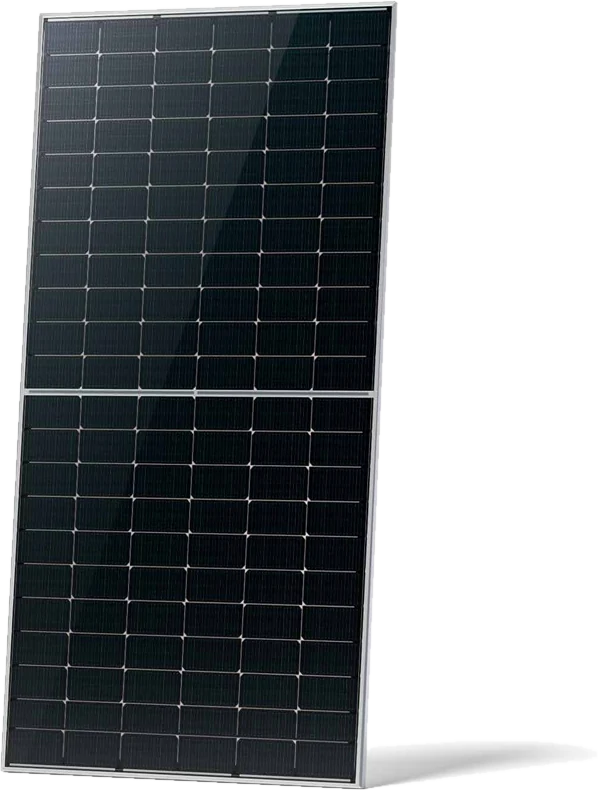
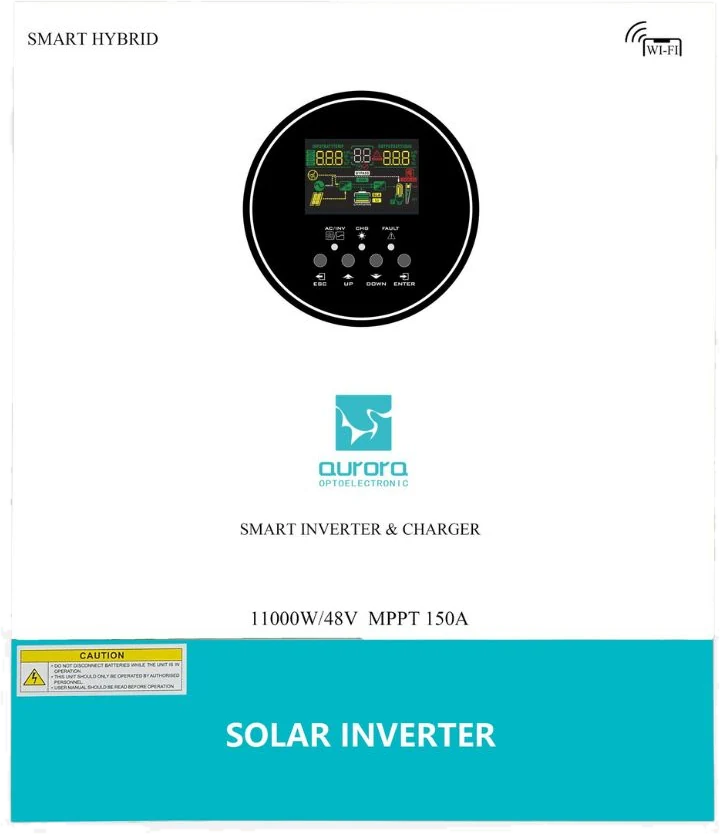
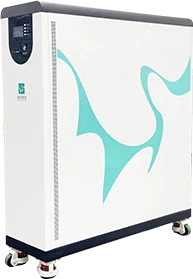 14 panels1 × 11kW1 × 30kWh
Two ways to buy this system
Both use the same inverter. The cheaper version has less battery, and you can add to it later without changing anything else.
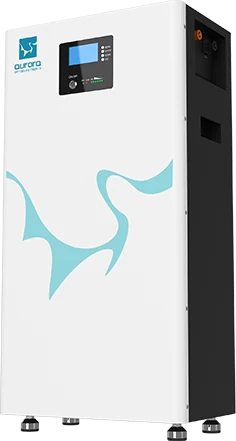 14 panels1 × 11kW1 × 15kWh
- 8.7 kWp of solar (14 panels)
- 15 kWh battery, about 5.4 hours at 2.5 kW overnight
- Payback 1.4–2.4 years
- Same panels. Add a second 15kWh pack later to reach 30kWh.
14 panels1 × 11kW1 × 30kWh- 8.7 kWp of solar (14 panels)
- 30 kWh battery, about 10.8 hours at 2.5 kW overnight
- Payback 1.9–3.2 years
Installed prices for an outright purchase, as of October 2026. Product photos show the equipment used; the counts are on each picture.
Ideal For
3–4 bedroom home or small office shopping for a 10 or 12kVA system on a budget
3–4 bedroom flat or duplex running 2 ACs in the evening
Small office or shop with 2–3 AC units and computers
Household replacing a 10–12kVA generator
Buyer who wants a 30kWh battery without paying for a premium inverter
What This System Powers
2 units (1.5HP) together, a third in sunshine hours
11kW carries 2 split units plus the base load, with room for a third while the panels are producing.
1 fridge and 1 freezer around the clock
Full property LED lighting inside and out
4–5 ceiling fans
3 TVs and 5 laptops or workstations
0.75–1HP borehole pump: yes
Yes, 1–2 loads a day
Sites that expect to grow beyond 11kVA. The Aurora 11kW runs on its own and cannot be paired with a second inverter, so choose Home 12 if you may add capacity later.
Battery Autonomy
Overnight Scenario
At a typical night-time load of 2.5kW (1 AC, fridge and lights), the 30kWh battery runs for about 10.8 hours. The cheaper version's 15kWh runs for about 5.4 hours.
System Specifications
| Solar Array | 8.7 kWp |
| Panels | 14 × Jinko Tiger Neo 620W N-type panel |
| Inverter | 11 kVA: Aurora 11kW hybrid |
| Phase | Single-phase |
| Battery Capacity | 30 kWh: Aurora 30kWh LiFePO₄ |
| Battery Chemistry | LiFePO₄ |
| Battery Cycle Life | 7-year warranty, over 6,000 cycles at 90% depth of discharge |
| Usable Battery Capacity | 27 kWh |
| Daily Solar Generation | 31.2 kWh |
| Monthly Generation | 936 kWh |
| Solar Utilisation | 75% |
| Roof Space Needed | About 39 m² |
| Monitoring | InfraSol real-time remote monitoring platform |
Financial Payback
Savings are the solar energy a system produces and the customer uses, valued at what that energy costs them today. Output is 1,310kWh per kWp a year, the Lagos figure for a well-oriented, unshaded array after system losses; we count 75% of it as used in homes and 90% in businesses, and give the battery no credit for charging from the grid, so the payback is conservative. Generator fuel is derived rather than assumed: litres/hour ≈ 0.25 × kW drawn + 0.037 × rated kVA, at ₦1,920/litre. The second term is fixed burn proportional to the set's size whether or not anything is plugged in, which is why an oversized generator costs more per kWh than one that is worked hard. Most Lagos generators run at 40–70% of rating; across that band fuel alone costs ₦607–₦702/kWh on a well-maintained engine, about ₦640/kWh at a typical 55% load, and around ₦800/kWh on a worn, lightly loaded one. Servicing, overhaul, managed-power premiums and diesel theft add another ₦60–₦120/kWh, which is what takes generator power past ₦700/kWh all-in. Band A grid is taken at ₦210/kWh. Conservative (₦366/kWh blended avoided cost): Band A home, 14–18 hours of mains, load weighted to the evening. Base case (₦531/kWh): Band B/C small business, roughly 10 hours of mains, mid-life generator. Optimistic (₦625/kWh): Band C/D commercial site with minimal grid and heavy daytime load. The more of your consumption falls in daylight hours, the faster the payback.
The Diesel Reality
A 10kVA generator running 10 hours a day burns roughly 350–530 litres of diesel a month, depending on how hard it is worked. At ₦1,920 a litre that is ₦670k–₦1.0M a month in fuel alone, before servicing, oil changes and the diesel that goes missing. The same job as a 10kVA or 12kVA system, for less.
Already on Band A?
Band A customers on ₦210/kWh still benefit, and not only from the panels. Cheap mains is still worth storing: charged from the grid, the battery delivers energy at ₦239/kWh after round-trip losses, against ₦640–₦675/kWh in generator fuel alone, and more once servicing and theft are counted. The battery is an asset whether or not the sun is out. It arbitrages your cheapest supply against your most expensive one, and it removes diesel from overnight loads regardless of your tariff band.
Real-Time Remote Monitoring
Every InfraSol Home 11 includes InfraSol's real-time remote monitoring platform. Track solar generation, battery state-of-charge, grid usage, and system health from your phone, 24/7. Automated fault alerts and monthly energy intelligence reports included.
Learn more about our monitoringReady to eliminate your diesel costs?
Get a free site assessment and see exactly what the InfraSol Home 11 would save you every month.
Also available via Lease-to-Own (30% down, then 3 monthly payments) or Energy as a Service (flat monthly fee). View financing options